
Flestar sugar babies eru nákvæmlega þær sem þær segjast vera. En lítill hluti þeirra er ekki þar til að byggja upp neitt — þær eru á höttunum eftir skjótum útgreiðslum og hverfa, og nokkrar eru beinlínis svindlarar. Þetta er leiðarvísir sugar daddy til að greina muninn: lúmskar vísbendingar um að einhver sé ekki ósvikin, hvar þær koma í ljós, og hvernig á að vernda sig án þess að verða tortrygginn gagnvart hverri elskulegri konu sem þú hittir.
Setjum þetta í samhengi fyrst, því áhættan er raunveruleg en auðvelt að ofmeta hana. Ástarsvik eru alvarlegt vandamál — fórnarlömb í Bretlandi einu og sér töpuðu um £106 milljónum árið 2024, og á heimsvísu nema trúnaðarsvik hundruðum milljarða — en yfirgnæfandi meirihluti fólks á sugar dating-síðum er ósvikinn. Markmiðið hér er ekki ofsóknarkennd. Það er þessi rólega meðvitund sem gerir þér kleift að slaka á og og þekkja þann sjaldgæfa svindlara áður en þú hefur fjárfest of mikið.
Hvað „falskur“ þýðir í raun og veru hér
Við skulum vera nákvæm, því ekki er sérhver sem veldur þér vonbrigðum falskur. Margt fólk er einfaldlega óáreiðanlegt, eða nýtt í þessu og er enn að finna út hvað það vill. Það er ekki óheiðarleiki — það er bara lífið. Raunveruleg falsk sugar baby er önnur: hún kemur án þess að ætla sér að byggja upp nokkurs konar tengsl, lausleg eða önnur. Markmiðið er að fá peninga eða gjafir og gefa ekkert raunverulegt til baka.
Það er eins og litróf, sem er vert að hafa í huga. Í öðrum endanum er einhver sem mætir einu sinni í dýran kvöldmat sem hún ætlar sér aldrei að endurtaka. Í hinum endanum er hinn eiginlegi svindlari sem ætlar sér aldrei að hitta þig — hún heldur þér á krækinum með skilaboðum og hlýju á meðan röð „neyðarástanda“ kallar með dularfullum hætti á þína aðstoð. Þráðurinn sem liggur í gegnum allt er blekking: að gefa ranga mynd af því hver hún er, hvað hún vill og hvað hún er raunverulega tilbúin að leggja af mörkum.
Eitt í viðbót áður en kemur að rauðu flöggunum, og það skiptir máli: eitt skrýtið augnablik sannar ekkert. Fólk verður taugaóstyrkt, man rangt, á slæma daga. Það sem þú ert að leita að er mynstur — nokkur merki sem safnast saman — ekki eitt stakt smáatriði sem þú getur dæmt einhvern út frá.
Rauð flögg í prófílnum
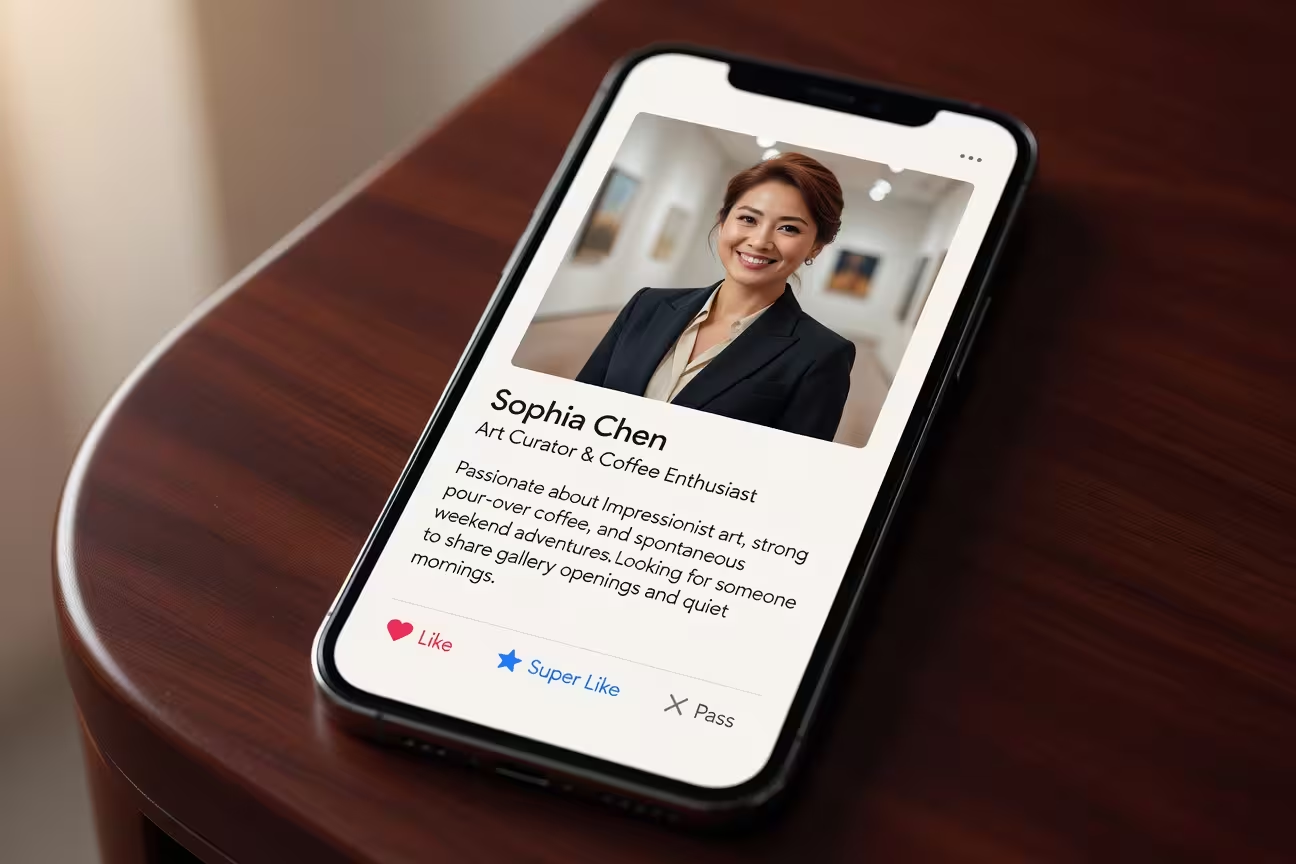
Prófíllinn er fyrsti snertiflöturinn þinn, og það er oft þar sem skýrustu viðvaranirnar eru. Raunverulegir prófílar líta oft út fyrir að vera raunverulega notaðir: raunverulegar myndir, ákveðin áhugamál, nóg af persónuleika til að byrja raunverulegt samtal. Fölsuðu prófílarnir falla í mynstur sem þú munt byrja að þekkja.
Myndir sem líta of fagmannlegar út. Ef allar myndir líta út eins og úr fyrirsætumöppu, gerðu öfuga myndleit (Google Images eða TinEye — límdu myndina inn, sjáðu hvar hún birtist annars staðar á netinu). Þú munt stundum finna sama andlit á Instagram-reikningi áhrifamanns, myndabankasíðu, eða þremur öðrum stefnumótaprófílum undir þremur öðrum nöfnum. Raunverulegir einstaklingar nota eigin myndir, jafnvel þær sem eru ekki fullkomnar.
Kynning sem gæti átt við hvern sem er. „Ég elska að ferðast og njóta góðrar kvöldmáltíðar“ segir þér ekkert — það er innihaldslaust og gæti átt við þúsundir manna. Berðu það saman við einhvern sem nefnir að hún sé að læra byggingarlist, gangi á tilteknum slóðum um helgar, eða hafi sérstæðan smekk í tónlist. Sértækni er þögult merki um áreiðanleika; óljósleiki gefur til kynna að einhver sé að kasta netinu vítt án mikillar hugsunar að baki.
Saga sem gengur ekki alveg upp. Hún segist vera nemandi í einni borg en birtir myndir frá mismunandi lúxushótelum í hverri viku. Það er ekki sönnun á neinu — sumir ferðast raunverulega — en það er sanngjarnt að spyrja hvernig þetta gengur upp, og taka eftir því ef skýrt svar kemur aldrei.
Tvö minni atriði sem eru þess virði að skoða: prófíll sem er of fullkominn (allar myndir glansandi, öll áhugamál ótrúlega í samræmi við það sem hún heldur að þú viljir heyra — raunverulegir einstaklingar hafa áferð og einstaka óformlega skyndimynd), og glænýr prófíll án sögu sem er þegar að senda skilaboð til allra í sjónmáli. Ekkert af þessu eitt og sér þýðir mikið. Saman segja þau þér hins vegar eitthvað. Til að sjá hina hliðina á þessu öllu: leiðbeiningar okkar um að greina falskan sugar daddy sýna hvernig sömu brellurnar ganga í hina áttina.
Þegar eitthvað er rangt við skilaboðin
Þegar þú ert kominn í samtal, fylgstu með hvernig samtalið hreyfist í raun og veru. Raunverulegt samtal andar: þú spyrð, hún svarar með einhverju raunverulegu, hún spyr til baka, það byggist upp. Falska útgáfan hefur tilhneigingu til að fylgja handriti, og hún kemur upp um sig.
Hrós sem gæti átt við hvern sem er. „Þú hljómar ótrúlega, mig langar að hitta einhvern eins og þig“ er þess konar lína sem þú gætir límt inn í fimmtíu spjöll — og sumir gera einmitt það. Raunverulegur áhugi vísar í eitthvað sértækt: eitthvað úr prófílnum þínum, raunveruleg spurning um vinnuna þína eða vikuna þína.
Að grafast fyrir um upplýsingar of fljótt. Hvar þú býrð, við hvað þú starfar, hvernig fjármálin þín standa — áður en nokkur raunveruleg tengsl eru til. Flestar reyndar sugar babies vita að traust byggist upp hægt og liggur ekkert á að fá ævisöguna þína í þriðju skilaboðunum. Einhver sem er snemma að fiska eftir upplýsingum sem hægt er að nota til að vinna á þér gerir það vísvitandi. Staðfestir prófílar taka mest af þessari áhættu burt, og það er engin fljótlegri leið að alvöru sugar babies frekar en handritum en að búa til staðfestan aðgang sem sugar daddy.
Saga sem heldur áfram að breytast. Laganemi á mánudag, í fullu starfi í markaðssetningu á fimmtudag; tuttugu og þriggja ára, en tímalína fortíðar hennar passar ekki. Þessar sprungur koma fram vegna þess að hún er með nokkur samtöl í gangi í einu og getur ekki haldið uppspunnu smáatriðunum á hreinu. Fólk gleymir ekki grunnstaðreyndum eigin lífs.
Alltaf ástæða til að forðast myndsímtöl. Myndavélin er biluð, samband er hræðilegt, hún er feimin. Einu sinni, allt í lagi. Sem varanlegt mynstur, á tímum þar sem allir eru í myndsímtölum, þýðir það venjulega að hún er ekki einstaklingurinn á myndunum. Og fylgstu með skyndilegri breytingu yfir í ákafa — spjallið er létt og hlýtt, og síðan kemur skyndilega kreppa og þörf fyrir hjálp, sem er hönnuð til að grípa þig óundirbúinn. Raunverulegar sugar babies segja opinskátt hvað þær vonast eftir; þær búa ekki til neyðarástand. Að læra hvernig þessi samtöl hljóma þegar þau eru heiðarleg gerir fölsku útgáfuna mun auðveldari að greina.
Athugaðu prófílinn
Gerðu öfuga myndleit á myndunum, leitaðu að sérstökum (ekki almennum) upplýsingum og taktu eftir því sem passar ekki saman. Flestar falsanir hrynja hér, áður en þú hefur eytt einni krónu.
Lestu samtalið
Ekta spjall er forvitið og samkvæmt sjálfu sér. Handritaðar línur, saga sem breytist, að forðast myndbandssamtöl og skyndilegt stökk yfir í brýnar peningaumræður eru merkin um að hægja á sér.
Verndaðu þig sjálfan
Sendu aldrei peninga áður en þú hefur hitt viðkomandi og byggt upp traust, notaðu rekjanlegar greiðslur og gefðu þér tíma. Þrýstingur og flýtir eru einu raunverulegu vopn svindlarans.
Hvað fyrsta fundurinn afhjúpar
Einn fundur augliti til auglitis segir þér meira en vikur af smáskilaboðum. Sú persóna sem virkaði sannfærandi á skjá stenst oft ekki á raunverulegu kaffihúsi, og það er nákvæmlega tilgangurinn með því að hittast snemma.
Skýrasta merkið er einfalt áhugaleysi: hún er í símanum sínum, svör hennar eru stutt, hún spyr ekkert um þig umfram það sem kurteis lágmark krefst. Það minnir minna á stefnumót og meira á að hún sé að mæta á vakt. Berðu það saman við einhvern sem er raunverulega til staðar — hún heldur augnsambandi, hlær að lélegum bröndurum, segir þér raunverulegar sögur — og munurinn er augljós.
Taktu einnig eftir því þar sem netpersónan og sú raunverulega passa ekki saman. Hún elskaði listasöfn á netinu en getur ekki nefnt einn málara; nefndi stöðug ferðalög en getur ekki lýst einni ferð. Þetta misræmi bendir til áhugamála sem voru búin til til að höfða til þín frekar en raunverulega upplifuð. Og það stóra: peningar nefndir á fyrstu stundinni, eða skyndileg neyðarstaða sem þarf að leysa strax. Ekta stuðningur er ræddur þegar raunverulegur gagnkvæmur áhugi er til staðar, aldrei skellt á þig undir þrýstingi á fyrsta degi — það er próf á því hvort þú látir undan, ekki samtal.
Nokkur fleiri atriði til að hafa hálft auga á. Hvernig hún talar um fólk sem hún hefur hitt áður er afhjúpandi — að vera stöðugt beisk út í hvern einasta fyrri sugar daddy getur þýtt að hún sé sú sem brenndi þær brýr, en einhver sem talar um gamlar tengingar af virðingu sýnir þér þroska. afbókun og endurskipulagning með veikum afsökunum þýðir oft að þú ert einn af mörgum sem hún heldur á lofti og heldur volgum þar til betri kostur býðst. Tíminn þinn er meira virði en það.
Fjárhagsleg meðferð: aðferðirnar sem þarf að þekkja
Örlæti er hluti af sugar dating, en hvernig einhver nálgast það segir þér nær allt. Svindlarar styðjast við handfylli af endurteknum brellum, og þegar þú getur nafngreint þær missa þær mestan hluta af krafti sínum.
Klassíkin er harmsaga sem kemur fljótt fram — sjúkrakostnaður, gjaldfallin leiga, fjölskylduneyð, sem kemur upp í fyrstu spjöllunum og er borin fram í miklum flýti: hún þarf hjálp núna, og einhvern veginn ert þú sá eini sem getur veitt hana. Ekta sugar baby gæti, miklu seinna, deilt einhverju raunverulegu sem hún er að fara í gegnum; hún setur það ekki fram sem upphafsbrellu.
Þá er það beiðnin sem kemur áður en nokkuð er til — framlag eða gjöf áður en þið hafið einu sinni hist, áður en nokkur skilningur er á milli ykkar. Þetta er ekki sugar dating, þetta er bara svik með fallegri lýsingu. Nálægt því er óljóst loforð: „hjálpaðu mér með þetta og ég skal gera það þess virði“ — aldrei nánar útskýrt, byggt á von þinni um eitthvað sem kemur í raun aldrei.
Rauðasta flaggið af öllu er þrýstingur í átt að órekjanlegum greiðslum — millifærslur, dulritunargjaldmiðill, gjafakort, allt sem er erfitt að rekja eða fá til baka. Raunverulegir einstaklingar eru afslappaðir hvað varðar hvernig stuðningur virkar vegna þess að þeir ætla ekki að hverfa með hann. Sá sem krefst aðferða án verndar er að segja þér, án þess að segja það, nákvæmlega hvað hann ætlar sér. Og ef þú hjálpar einu sinni og finnur að nauðsynjarnar hætta einfaldlega aldrei — hver stærri en sú síðasta — þá er þetta ekki samband með einstaka erfiðum stundum, þetta er krani sem einhver hefur skilið opinn.

Víðara netspor þeirra
Flestir skilja eftir einhvers konar stafrænt spor, og fljótlegt yfirlit — þegar hún er tilbúin að deila — gefur gagnlegar upplýsingar. Svikamenn hafa tilhneigingu til þess annaðhvort að neita því að vera á samfélagsmiðlum, eða deila reikningi sem stangast á við sögu þeirra. Þreyttur á að vega og meta hvert svar sem sugar daddy? Á vettvangi sem staðfestir fólk stendur fullbúinn prófíll við hliðina á þínum og þú getur senda staðfestri sugar baby skilaboð með sjálfstrausti.
Alger neitun um að deila neinu er fyrsta flaggið. Persónuvernd skiptir máli, og margir halda sérstökum, lágstemmdum reikningi fyrir þennan hluta lífs síns — það er fullkomlega eðlilegt. En „ég nota alls ekki samfélagsmiðla“, frá einhverjum sem lýsir sér sem félagslyndum og úthverfum, hljómar ekki alveg satt, og stundum er verið að fela þá staðreynd að raunveruleg sjálfsmynd hennar passar ekki við persónuna.
Ef hún deilir einhverju, athugaðu hvort það virðist vera raunverulega notað: saga af færslum yfir tíma, raunverulegir vinir sem eru í samskiptum, venjulegt líf blandað inn með glamúrinu. Raunverulegir reikningar virka lifandi. Falskir virka sviðsettir — þunnt myndasafn af slípuðum myndum með ekkert mannlegt í kringum þær, eða upplýsingar sem passa einfaldlega ekki við það sem hún hefur sagt þér. Eins og alltaf, það er samsafn lítilla ósamræma, ekki ein færsla, sem skiptir máli.
Hvernig lítur raunveruleg sugar baby út
Að greina falsanir er aðeins helmingurinn. Að vita hvernig það raunverulega líður er það sem kemur í veg fyrir að þú sjáir drauga alls staðar — vegna þess að góðu merkin eru jafn þekkjanleg og þau slæmu.
Raunveruleg sugar baby er opin um hvað hún vonast eftir — hvers konar fyrirkomulag hún vill, hversu mikinn tíma hún hefur, hvað myndi hjálpa henni — og hún ber það fram náttúrulega, án þrýstings eða leikaraskapar. Hún er í raun forvitin um þig, spyr um líf þitt og deilir raunverulegum hlutum um sitt eigið, þannig að samtalið verður gagnkvæmt frekar en sýning sem beinist að veskinu þínu. virðir hraða og mörk, ánægð með að hittast nokkrum sinnum áður en eitthvað er ákveðið, vegna þess að hún veit að traust myndast ekki á augabragði.
Umfram allt er hún stöðug — það sem hún segir passar við það sem hún gerir, hún mætir þegar hún segist ætla að mæta, og saga hennar helst sú sama frá einni viku til annarrar. Hún metur þagmælsku eins mikið og þú. Og hún meðhöndlar allt sem raunverulegt samband frekar en viðskipti: hún er til staðar, tekur þátt og nýtur félagsskapar þíns í raun, jafnvel þegar væntingar eru skýrar á milli ykkar. Ef þú vilt stærri mynd af því hvernig þetta á að vera, þá heildarleiðbeiningar um sugar dating setja fram hvernig heilbrigt fyrirkomulag lítur í raun út.
Treystu innsæinu — en vertu ekki bitur
Markmiðið var aldrei að líta á hverja einustu konu sem mögulegan svindlara. Þessi hugsunarháttur spillir góðum tengslum ásamt þeim vondu, og það kostar þig allan tilganginn með sugar dating. Það sem þú vilt er meðvitund, ekki brynja.
Þannig: ef eitthvað er ekki eins og það á að vera, hlustaðu á það, jafnvel þegar þú getur ekki alveg sagt af hverju — sú tilfinning byggist á árum af því að lesa í fólk, sem vinnur hljóðlega í bakgrunni. En einnig gefðu fólki rými; taugaóstyrkur hlátur eða ruglingslegar upplýsingar eru ekki glæpur, og munurinn á einum undarlegum augnabliki og vegg af rauðum flöggum skiptir öllu máli. Gefðu þér tíma — hittist meira en einu sinni, talaðu almennilega, láttu traust byggjast upp áður en peningar koma til. Svindlarar þrýsta á hraða einmitt vegna þess að þeir þurfa að vera farnir áður en þú sérð skýrt; raunverulegt fólk er þolinmótt vegna þess að það er ekki að flýta sér neins staðar.
Og ef þú hefur brunnið áður, dragðu lærdóminn af því frekar en að láta það herða þig. Hvaða merki hunsaðirðu á þeim tíma? Lærðu af því og slepptu því síðan. Sugar-heimurinn er fullur af hlýlegum, áhugaverðum og fullkomlega raunverulegum einstaklingum — að verða góður í að þekkja þennan sjaldgæfa svindlara er einfaldlega það sem ryður veginn til að finna þá. Ef tilfinningar eru að vaxa á annarri hliðinni, svo það sé nefnt, er grein okkar um hvernig tilfinningar þróast í sugar samböndum gagnleg lesning.
Að þekkja falskar sugar babies: algengar spurningar
Hvernig get ég athugað hvort myndir sugar babies séu raunverulegar?
Keyrðu öfuga myndleit með Google Images eða TinEye — hladdu upp myndinni eða límdu vefslóð hennar og sjáðu hvar annars staðar hún birtist. Ef sömu myndir birtast á fyrirsætusíðum, myndabankasíðum, eða öðrum prófílum undir öðrum nöfnum, eru þær ekki hennar. Stutt myndsímtal snemma er önnur auðveld athugun; raunverulegt fólk neitar sjaldan eðlilegri beiðni um það.
Hvað ætti ég að gera ef einhver biður um peninga áður en við höfum hittist?
Líttu á það sem algjöra stöðvun. Raunverulegar sugar babies biðja ekki um fjárhagslega aðstoð áður en traust er til staðar og að minnsta kosti einn raunverulegur fundur hefur átt sér stað. Beiðni um peninga fyrirfram, hversu átakanleg sem sagan er, er eitt áreiðanlegasta merki svindls — ljúktu samtalinu kurteislega og farðu áfram.
Eru til greiðslumátar sem svindlarar hafa tilhneigingu til að krefjast?
Já — millifærslur, rafmynt og gjafakort, vegna þess að erfitt er að rekja þau og nánast ómögulegt að snúa þeim við. Allir sem hafna venjulegum, rekjanlegum valkostum og ýta eingöngu á órekjanlegar leiðir ætla að taka það sem þeir geta og hverfa. Haltu þig við aðferðir sem skilja eftir sig slóð.
Hversu lengi ætti ég að bíða áður en ég tala um fjárhagslegan stuðning?
Það eru engar fastar reglur, en það ætti að koma eftir raunverulegan gagnkvæman áhuga og að minnsta kosti einn fund í eigin persónu. Raunverulegar ráðstafanir vaxa úr tengslum fyrst. Einhver sem flýtir sér að peningum áður en nokkurt samband er til staðar er venjulega meira áhugasamur um peningana en þig.
Getur einhver verið að hluta til raunverulegur og að hluta til óheiðarlegur?
Já, og það er erfiðara að grípa en beint svindl. Raunverulegur einstaklingur sem notar raunverulegar myndir gæti samt ýkt aðstæður sínar, ofmetið hversu mikinn tíma hún hefur, eða gefið ranga mynd af því hvað hún muni raunverulega leggja til. Fylgstu með hvort gjörðir hennar passi við orð hennar með tímanum — þar kemur óheiðarleiki að hluta yfirleitt í ljós.
Hvað ef ég hef þegar sent peninga til einhvers sem ég tel nú vera falskt?
Stöðvaðu frekari greiðslur og slíttu sambandi. Ef þú notaðir rekjanlega aðferð, láttu bankann þinn eða greiðsluþjónustuaðila vita og tilkynntu það sem svik, þótt endurheimt sé ekki tryggð. Geymdu skilaboðin þín, tilkynntu prófílinn til vettvangsins og dragðu lærdóminn af því hvaða merki þú misstir af — án þess að ásaka sjálfan þig. Þetta fólk er þjálfað í að hagræða fólki; að þekkja aðferðirnar núna er það sem verndar þig næst. Þetta er viðkvæmt efni, svo ef þetta hefur hrist upp í þér, er þess virði að ræða það við einhvern sem þú treystir.
Sækjast falskar sugar babies eingöngu eftir ríkum eða eldri körlum?
Nei. Svindlarar kasta breiðum netum og miða á alla sem virðast opnir fyrir sugar dating, óháð aldri eða fjárhag. Að gera ráð fyrir að þú sért „ekki nógu ríkur“ til að vera skotmark getur í raun gert þig að auðveldara skotmarki, vegna þess að það slævir varúð þína. Allir í þessum heimi hafa gagn af sömu stöðugu varúð.