Ο κόσμος του sugar dating προσφέρει πραγματικές ευκαιρίες για αυθεντικές συνδέσεις, αλλά είναι επίσης ένας χώρος όπου δρουν απατεώνες. Σύμφωνα με στοιχεία FTC, οι απάτες ρομαντικού τύπου ευθύνονταν για πάνω από 1,3 δισεκατομμύρια δολάρια σε αναφερόμενες απώλειες μόνο το 2023 — και αυτές είναι μόνο οι περιπτώσεις που αναφέρονται. Ο εντοπισμός ενός ψεύτικου sugar daddy από νωρίς εξοικονομεί κάτι παραπάνω από χρόνο· προστατεύει τη συναισθηματική σου ευεξία και την προσωπική σου ασφάλεια.
Δεν πρόκειται να αντιμετωπίζετε κάθε σύνδεση με καχυποψία. Πρόκειται για την αναγνώριση μοτίβων που σηματοδοτούν πρόβλημα πριν βυθιστείτε πολύ βαθιά. Οι πραγματικές συμφωνίες αναπτύσσονται μέσα από ειλικρινή επικοινωνία και συνεπή συμπεριφορά. Οι ψεύτικοι βασίζονται στην πίεση, την ασάφεια και την εκμετάλλευση. Η διαφορά γίνεται σαφής μόλις ξέρετε τι να αναζητάτε.
Αυτό που κάνει αυτές τις κόκκινες σημαίες ιδιαίτερα σημαντικές είναι πώς υπερβαίνουν τη γεωγραφία και τον πολιτισμό. Είτε επικοινωνείτε με κάποιον που ισχυρίζεται ότι εδρεύει στο Λονδίνο, τη Σιγκαπούρη ή το Σάο Πάολο, τα προειδοποιητικά σημάδια παραμένουν εντυπωσιακά παρόμοια. Οι τακτικές που χρησιμοποιούν οι απατεώνες έχουν εξελιχθεί με τα χρόνια, στοχεύοντας ακριβώς αυτά που κάνουν τις σχέσεις sugar dating ελκυστικό: διακριτικότητα, γενναιοδωρία και η υπόσχεση ενός αναβαθμισμένου τρόπου ζωής.
Γιατί οι ψεύτικοι sugar daddies είναι τόσο συνηθισμένοι
Η δυναμική του sugar dating δημιουργεί μοναδικές ευπάθειες. Τα sugar babies εισέρχονται συχνά σε αυτές τις σχέσεις με την ελπίδα για αληθινή υποστήριξη, καθοδήγηση ή πρόσβαση σε νέες εμπειρίες και έναν τρόπο ζωής που ευθυγραμμίζεται με τις φιλοδοξίες τους. Αυτή η ελπίδα, ενώ είναι απολύτως νόμιμη, γίνεται εργαλείο στα λάθος χέρια. Οι απατεώνες γνωρίζουν ότι η υπόσχεση ενός καλύτερου τρόπου ζωής μπορεί να θολώσει την κρίση, ειδικά όταν συνοδεύεται από κολακείες και επείγουσα ανάγκη.
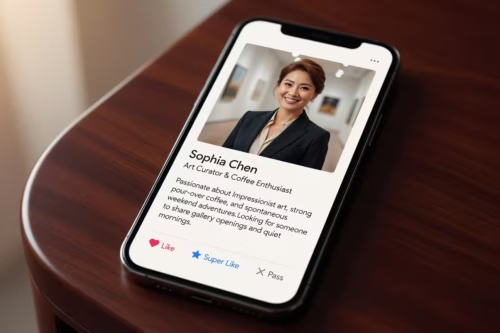
Αναφορές υποδηλώνουν ότι σχεδόν το 40% των ψεύτικων προφίλ σε πλατφόρμες γνωριμιών χρησιμοποιούν εικόνες που έχουν ληφθεί από άλλους λογαριασμούς κοινωνικών μέσων ή ιστότοπους φωτογραφίας stock. Αυτά τα προφίλ είναι σχεδιασμένα να φαίνονται εκλεπτυσμένα και εύπορα, συχνά με πολυτελή αυτοκίνητα, ρολόγια σχεδιαστών ή φωτογραφίες από εξωτικά ταξίδια. Ο στόχος είναι να προβάλλουν επιτυχία χωρίς να χρειαστεί να την αποδείξουν μέσω πραγματικής αλληλεπίδρασης.
Ένας άλλος παράγοντας είναι η διακριτικότητα που περιβάλλει το sugar dating. Πολλοί γνήσιοι sugar daddies εκτιμούν την ιδιωτικότητα, την οποία οι απατεώνες εκμεταλλεύονται κρύβοντας ασαφείς λεπτομέρειες και αρνούμενοι την επαλήθευση. Θα ισχυριστούν ότι ανησυχίες εμπιστευτικότητας τους εμποδίζουν να μοιραστούν βασικές πληροφορίες, ενώ στην πραγματικότητα αποφεύγουν την αποκάλυψη. Η νόμιμη ανάγκη για διακριτικότητα γίνεται μια βολική δικαιολογία για μυστικοπάθεια.
Η παγκόσμια φύση των σύγχρονων γνωριμιών ενισχύει το πρόβλημα. Κάποιος μπορεί να ισχυριστεί ότι είναι επιχειρηματίας που ταξιδεύει μεταξύ Ντουμπάι και Νέας Υόρκης, καθιστώντας πιο δύσκολη την επαλήθευση της ιστορίας του. Οι ζώνες ώρας, τα γλωσσικά εμπόδια και οι πολιτισμικές διαφορές παρέχουν κάλυψη για αντιφάσεις που διαφορετικά θα ήταν προφανείς.
Μοτίβα επικοινωνίας που αποκαλύπτουν ανεντιμότητα
Οι γνήσιες σχέσεις χτίζονται σταδιακά. Ξεκινάτε με ελαφριά συνομιλία — κοινά ενδιαφέροντα, αγαπημένα μέρη, τι αναζητάτε σε μια συμφωνία. Υπάρχει ένας φυσικός ρυθμός στο να γνωρίσετε κάποιον. Όταν αυτός ο ρυθμός φαίνεται αναγκαστικός ή βιαστικός, δώστε προσοχή.
#1: Υπερβολικά προσωπικές ερωτήσεις πολύ νωρίς είναι ένα κλασικό σημάδι. Αν κάποιος ρωτά για την οικονομική σας κατάσταση, τις συνθήκες διαμονής σας ή προσωπικές λεπτομέρειες μέσα στα πρώτα μηνύματα, δεν ενδιαφέρεται για εσάς ως πρόσωπο — συλλέγει πληροφορίες. Οι πραγματικοί sugar daddies καταλαβαίνουν ότι η εμπιστοσύνη αναπτύσσεται με τον καιρό, όχι σε ένα μόνο βράδυ ανταλλαγής μηνυμάτων.
#2: Ασυνεπή μοτίβα ανταλλαγής μηνυμάτων αποκαλύπτουν έλλειψη γνήσιου ενδιαφέροντος. Μια μέρα σας στέλνουν παραγράφους για το πόσο ξεχωριστοί είστε· την επόμενη, έχουν εξαφανιστεί για μια εβδομάδα χωρίς εξήγηση. Μετά επιστρέφουν σαν να μην έγινε τίποτα. Αυτή είναι η συμπεριφορά κάποιου που χειρίζεται πολλαπλούς στόχους ή χάνει ενδιαφέρον όταν δεν ανταποκρίνεστε τόσο γρήγορα όσο θα ήθελε.

Το #3: Άρνηση βιντεοκλήσης είναι ίσως το πιο αποκαλυπτικό. Σε μια εποχή όπου η βιντεοεπικοινωνία είναι εύκολη, η πλήρης αποφυγή της υποδηλώνει ότι δεν είναι αυτός που ισχυρίζεται ότι είναι. Μπορεί να προσφέρει δικαιολογίες — κακό ίντερνετ, χαλασμένη κάμερα, φορτωμένο πρόγραμμα — αλλά αυτές οι δικαιολογίες γίνονται ανυπόστατες όταν επιμένουν για εβδομάδες. Ένας γνήσιος sugar daddy που έχει ταξιδέψει σε μέρη όπως η Ζυρίχη ή το Τόκιο για δουλειά δεν θα δυσκολευτεί να βρει πέντε λεπτά για μια βιντεοκλήση. Η επαλήθευση όλων αυτών είναι πολύ πιο εύκολη μέσα στην πλατφόρμα, και ο πιο γρήγορος τρόπος να δεις ποιοι γνήσιοι sugar daddies είναι ενεργοί κοντά σου είναι να ρυθμίστε το προφίλ σας ως sugar baby.
#4: Πίεση για γρήγορες δεσμεύσεις έρχεται σε αντίθεση με την ίδια την ουσία του sugar dating. Αυτές οι ρυθμίσεις λειτουργούν επειδή και τα δύο μέρη έχουν χρόνο να καθορίσουν όρια, προσδοκίες και αμοιβαία άνεση. Αν κάποιος πιέζει για αποκλειστικότητα, κοινές προσδοκίες τρόπου ζωής ή συναντήσεις πριν καν έχετε κάνει μια σωστή συζήτηση, προσπαθεί να σε δεσμεύσει πριν εντοπίσεις τις αντιφάσεις.
Προσέξτε τον ρυθμό
Οι αυθεντικές σχέσεις αναπτύσσονται μέσα από πολλαπλές συνομιλίες, όχι από τη μια μέρα στην άλλη. Αν κάποιος σε βιάζει προς την αποκλειστικότητα, τις προσδοκίες τρόπου ζωής ή τις ιδιωτικές συναντήσεις πριν υπάρξει βασική εμπιστοσύνη, βάζει τα δικά του συμφέροντα πάνω από την άνεσή σου.
Απαιτήστε επαλήθευση μέσω βιντεοκλήσης
Δεν υπάρχει νόμιμος λόγος να αρνηθεί κάποιος μια σύντομη βιντεοκλήση. Αν ισχυρίζεται τεχνικές δυσκολίες για εβδομάδες, κρύβει κάτι. Το βίντεο αποκαλύπτει συμπεριφορά, περιβάλλον και αυθεντικότητα με τρόπους που το κείμενο και οι φωτογραφίες δεν μπορούν.
Εμπιστευτείτε τα ένστικτά σας
Αν κάτι σας φαίνεται λάθος, πιθανότατα είναι. Η διαίσθησή σας αντιλαμβάνεται αντιφάσεις που το συνειδητό μυαλό σας εξορθολογίζει. Τυποποιημένη συνομιλία, βολικές υποσχέσεις, εξηγήσεις που δεν βγάζουν νόημα — αυτά είναι σήματα που αξίζει να λαμβάνετε υπόψη.
Κόκκινες σημαίες συμπεριφοράς στα προφίλ sugar daddy
Οι πράξεις αποκαλύπτουν τις προθέσεις πολύ πιο ξεκάθαρα από τα λόγια. Η συμπεριφορά ενός ψεύτικου sugar daddy ακολουθεί προβλέψιμα μοτίβα μόλις ξέρετε τι να αναζητάτε. Δεν πρόκειται για μεμονωμένα λάθη ή πολιτισμικές παρεξηγήσεις — είναι σκόπιμες τακτικές σχεδιασμένες να χειραγωγούν και να εκμεταλλεύονται.
#5: Υπερβολική κολακεία χωρίς ουσία φαίνεται κούφιο γιατί είναι. Όταν κάποιος σας κατακλύζει με κομπλιμέντα για την ομορφιά, την ευφυΐα και τη μοναδικότητά σας λίγα λεπτά μετά τη σύνδεση, ακολουθεί ένα σενάριο. Ο γνήσιος θαυμασμός αναπτύσσεται μέσα από τη συνομιλία. Αν οι έπαινοι φαίνονται αρκετά γενικοί ώστε να εφαρμόζονται σε οποιονδήποτε, αυτό συμβαίνει γιατί ακριβώς έτσι είναι.
#6: Υπερβολική μυστικότητα για τη ζωή τους ξεπερνά τη λογική διακριτικότητα. Υπάρχει διαφορά μεταξύ του να είσαι διακριτικός και του να είσαι σκόπιμα ασαφής. Κάποιος που δεν μπορεί ή δεν θέλει να μοιραστεί βασικές λεπτομέρειες για τη δουλειά του, την πόλη του ή την καθημερινή του ζωή, κρύβει κάτι. Η πραγματική διακριτικότητα προστατεύει τις ταυτότητες σε δημόσια πλαίσια· δεν αρνείται να χτίσει οποιαδήποτε γνήσια σύνδεση σε ιδιωτικά.
Το #7: Πρώιμο αίτημα για χρήματα ή προσωπικά στοιχεία είναι ίσως η πιο προφανής τακτική απάτης. Μπορεί να εμφανιστεί μεταμφιεσμένη ως «δοκιμή» εμπιστοσύνης ή ως μια προσωρινή έκτακτη ανάγκη. Μερικές φορές παρουσιάζεται ως αίτημα για τα προσωπικά σου στοιχεία για αναπόδεικτους λόγους «να σου στείλει πραγματική υποστήριξη.» Οι νόμιμοι sugar daddies παρέχουν αληθινή υποστήριξη· δεν τη ζητούν. Οποιοδήποτε αίτημα για χρήματα ή αριθμούς λογαριασμού πριν καν συναντηθείτε αποτελεί λόγο άμεσης διακοπής επικοινωνίας.
#8: Ανεκπλήρωτες υποσχέσεις γίνονται μοτίβο. Η πρώτη ακύρωση μπορεί να φαίνεται λογική — επαγγελματική έκτακτη ανάγκη, καθυστέρηση πτήσης, οικογενειακό ζήτημα. Αλλά όταν κάθε προγραμματισμένο δείπνο ή εκδρομή του Σαββατοκύριακου πέφτει έξω την τελευταία στιγμή, αντιμετωπίζετε κάποιον που ποτέ δεν είχε πρόθεση να τηρήσει τις δεσμεύσεις του. Οι γνήσιοι sugar daddies καταλαβαίνουν ότι η αξιοπιστία είναι μέρος αυτού που προσφέρουν.
#9: Αποφυγή δημόσιων χώρων υποδηλώνει ότι είτε δεν είναι αυτοί που ισχυρίζονται, είτε κρύβουν τη συμφωνία από κάποιον. Ένας πραγματικός sugar daddy μπορεί να προτιμά πολυτελείς, διακριτικούς χώρους, αλλά δεν θα επιμένει να συναντιέστε μόνο σε ιδιωτικές τοποθεσίες από την αρχή. Οι πρώτες συναντήσεις σε δημόσιους χώρους δεν είναι απλώς πιο ασφαλείς — είναι ο κανόνας.
Ασυνέπειες στο ψηφιακό αποτύπωμα
Η διαδικτυακή παρουσία ενός ψεύτικου sugar daddy συχνά καταρρέει κάτω από βασικό έλεγχο. Αυτά τα προφίλ κατασκευάζονται για να εντυπωσιάσουν γρήγορα, όχι για να αντέξουν σε έρευνα. Το να αφιερώσετε μερικά λεπτά για να επαληθεύσετε αυτό που βλέπετε μπορεί να σας γλιτώσει εβδομάδες χαμένου χρόνου.
#10: Ύποπτες ή κλεμμένες φωτογραφίες είναι πιο εύκολο να εντοπιστούν από ποτέ. Μια αντίστροφη αναζήτηση εικόνας χρειάζεται δευτερόλεπτα και συχνά αποκαλύπτει ότι ο εκλεπτυσμένος επιχειρηματίας στη φωτογραφία προφίλ είναι στην πραγματικότητα ένα μοντέλο από stock φωτογραφίες ή περιεχόμενο από τα social media κάποιου άλλου. Αν οι φωτογραφίες φαίνονται επαγγελματικά τραβηγμένες αλλά το άτομο αρνείται βιντεοκλήση, αυτή η αντίφαση σας λέει τα πάντα.
#11: Ασυνεπείς προσωπικές αφηγήσεις αποκαλύπτονται με τον καιρό. Σε μια συνομιλία είναι επαγγελματίας χρηματοοικονομικών που ταξιδεύει μεταξύ Λονδίνου και Χονγκ Κονγκ· σε μια άλλη αναφέρει ακίνητα στο Ντουμπάι. Οι λεπτομέρειες αλλάζουν γιατί αυτοσχεδιάζουν αντί να μοιράζονται την πραγματική τους ζωή. Οι γνήσιοι άνθρωποι έχουν συνεπείς ιστορίες γιατί περιγράφουν την πραγματικότητα, όχι την εφευρίσκουν επί τόπου.
#12: Υπερβολικές επιδείξεις πλούτου χωρίς αντίστοιχη ουσία φαίνονται επιδεικτικές γιατί είναι. Φωτογραφίες με πολυτελή αυτοκίνητα και ιδιωτικά τζετ είναι εύκολο να σκηνοθετηθούν. Αυτό που είναι πιο δύσκολο να πλαστογραφηθεί είναι η άτυπη γνώση που προέρχεται από το να ζεις πραγματικά αυτόν τον τρόπο ζωής — να ξέρεις ποια εστιατόρια στο Μονακό αξίζει να επισκεφτείς, ή να έχεις συγκεκριμένες απόψεις για τα μέρη που ισχυρίζονται ότι συχνάζουν.
Το #13: Πίεση για γρήγορη μετάβαση εκτός πλατφόρμας είναι μια τακτική για να αποφύγουν τη διαμεσολάβηση και τις καταγγελίες. Οι νόμιμες πλατφόρμες διαθέτουν συστήματα επαλήθευσης και λειτουργίες ασφαλείας που προστατεύουν τους χρήστες· οι απατεώνες θέλουν να τα παρακάμψουν γρήγορα. Δεν υπάρχει κανένα πρόβλημα στο να χτίσετε εμπιστοσύνη μέσα στο σύστημα ανταλλαγής μηνυμάτων μιας πλατφόρμας πριν μοιραστείτε προσωπικά στοιχεία επικοινωνίας. Όποιος ενδιαφέρεται πραγματικά θα σεβαστεί αυτό το όριο.
Τακτικές συναισθηματικής χειραγώγησης
Η ψυχολογική διάσταση των απατών ψεύτικων sugar daddies είναι συχνά η πιο καταστροφική. Αυτές οι τακτικές στοχεύουν την ενσυναίσθησή σας, τις ελπίδες σας και την επιθυμία σας για σύνδεση. Η έγκαιρη αναγνώριση της συναισθηματικής χειραγώγησης προστατεύει περισσότερα από απλώς τα οικονομικά σας — προστατεύει την ευεξία σας.
#14: Εκμετάλλευση της συμπάθειας είναι μια υπολογισμένη κίνηση. Μπορεί να μοιράζονται ιστορίες παλαιότερων προδοσιών ή συνεχιζόμενων δυσκολιών που τους παρουσιάζουν ως ευάλωτους παρά τον πλούτο τους. Ο στόχος είναι να σας κάνουν να νιώσετε προστατευτικοί ή ένοχοι, μειώνοντας την άμυνά σας. Υπάρχει διαφορά ανάμεσα στην ειλικρινή ευαλωτότητα και στην στρατηγική αφήγηση που σχεδιάζεται για να χειραγωγήσει.
#15: Άρνηση συζήτησης ορίων ή προσδοκιών είναι ένα τεράστιο προειδοποιητικό σημάδι. Το sugar dating λειτουργεί επειδή και τα δύο μέρη είναι σαφή για το τι προσφέρουν και τι αναζητούν. Κάποιος που αποφεύγει αυτές τις συνομιλίες, ή γίνεται ασαφής ή εκνευρισμένος όταν προσπαθείτε να ορίσετε όρους, κρατά τα πράγματα αμφίσημα επειδή η σαφήνεια θα αποκάλυπτε την έλλειψη πραγματικής πρόθεσής του.
Πέρα από αυτές τις δεκαπέντε κόκκινες σημαίες, προσέξτε το «υπερβολικά τέλειο» ταίριασμα. Όταν κάποιος ευθυγραμμίζεται άψογα με όλα όσα έχετε αναφέρει ότι θέλετε — τις ίδιες άγνωστες ταινίες, τα ακριβή μέρη που ονειρεύεστε να επισκεφτείτε, τα συγκεκριμένα ενδιαφέροντά σας μέχρι και τις παραμικρές λεπτομέρειες — σκεφτείτε αν αντικατοπτρίζει τις προτιμήσεις σας αντί να μοιράζεται αυθεντική κοινή βάση. Η πραγματική συμβατότητα περιλαμβάνει διαφορές και εκπλήξεις, όχι μόνο τέλεια ευθυγράμμιση.
Τι κάνουν διαφορετικά οι αληθινοί sugar daddies
Η κατανόηση του τι μοιάζει η αυθεντική συμπεριφορά παρέχει μια χρήσιμη αντίθεση με τις κόκκινες σημαίες. Οι πραγματικοί sugar daddies προσεγγίζουν αυτές τις σχέσεις με σεβασμό, διαφάνεια και υπομονή. Κατανοούν ότι η εμπιστοσύνη χτίζεται, δεν απαιτείται.
Είναι πρόθυμοι να επαληθεύσουν την ταυτότητά τους με λογικούς τρόπους — μια βιντεοκλήση, συνάντηση σε δημόσιο χώρο ή παροχή πληροφοριών που επιβεβαιώνουν τη βασική τους ιστορία. Δεν βλέπουν την επαλήθευση ως προσβολή· την αναγνωρίζουν ως ένα λογικό βήμα για την οικοδόμηση αμοιβαίας εμπιστοσύνης. Συζητούν ανοιχτά τις προσδοκίες: κοινές προσδοκίες τρόπου ζωής, χρονικές δεσμεύσεις, όρια και προτιμήσεις είναι θέματα που αντιμετωπίζουν απευθείας, χωρίς ασάφεια ή αποφυγή.
Σέβονται τον ρυθμό σας. Αν χρειάζεστε χρόνο για να σκεφτείτε, να επαληθεύσετε ή απλώς να νιώσετε άνετα, το καταλαβαίνουν — χωρίς πίεση, χωρίς τελεσίγραφα. Τηρούν αυτά που λένε· τα σχέδια μπορεί περιστασιακά να αλλάζουν, αλλά υπάρχει ένα σαφές μοτίβο αξιοπιστίας. Και είναι συνεπείς στην επικοινωνία τους, χωρίς έντονες εναλλαγές μεταξύ έντονου ενδιαφέροντος και πλήρους σιωπής.
Πώς να προστατευτείτε στο sugar dating
Πέρα από τον εντοπισμό των δεκαπέντε κόκκινων σημαιών παραπάνω, μερικές ενεργές συνήθειες κάνουν σημαντική διαφορά. Δεν πρόκειται για παράνοια — αλλά για ενημερωμένη προσοχή σε έναν χώρο όπου δεν λειτουργούν όλοι με καλές προθέσεις.
Χρησιμοποιήστε αντίστροφες αναζητήσεις εικόνων στις φωτογραφίες προφίλ. Χρειάζεται λιγότερο από ένα λεπτό και μπορεί να αποκαλύψει αμέσως κλεμμένες εικόνες. Κρατήστε τις πρώτες συνομιλίες στην πλατφόρμα — μην βιαστείτε να μοιραστείτε προσωπικούς αριθμούς τηλεφώνου, διευθύνσεις email ή προφίλ στα social media, καθώς οι πλατφόρμες παρέχουν συστήματα ανταλλαγής μηνυμάτων ειδικά για να σας προστατεύουν κατά τα αρχικά στάδια. Εμπιστευτείτε τα μοτίβα και όχι μεμονωμένα περιστατικά: ένα ακυρωμένο σχέδιο μπορεί να είναι νόμιμο, αλλά ένα μοτίβο ακυρώσεων είναι κόκκινη σημαία.
Συζητήστε τις ρυθμίσεις ρητά. Ποιες είναι οι προσδοκίες; Ποια είναι η χρονική δέσμευση; τι προσφέρει ο καθένας στη σχέση; Αυτές οι συνομιλίες μπορεί να φαίνονται αμήχανες, αλλά είναι απαραίτητες, και όποιος δυσκολεύεται να τις κάνει δεν είναι έτοιμος για μια πραγματική ρύθμιση. Τέλος, ακούστε φίλους ή συμβούλους — αν κάποιος που εμπιστεύεστε εκφράζει ανησυχία, πάρτε το σοβαρά. Οι εξωτερικές οπτικές συχνά εντοπίζουν προβλήματα που η συναισθηματική εμπλοκή αποκρύπτει.
Πότε να φύγετε
Ορισμένες καταστάσεις δεν αξίζουν δεύτερες ευκαιρίες ή το benefit of the doubt. Το να ξέρετε πότε να αποσυνδεθείτε πλήρως προστατεύει τον χρόνο και την ασφάλειά σας. Φύγετε αμέσως αν ζητήσουν χρήματα — καμία εξήγηση δεν δικαιολογεί αυτό στα αρχικά στάδια· μπλοκάρετε και αναφέρετε. Φύγετε αν αρνούνται κάθε μορφή επαλήθευσης μετά από πολλαπλά αιτήματα, ή αν η ιστορία τους αλλάζει με σημαντικούς τρόπους. Μικρές λεπτομέρειες μπορεί να διαφέρουν στην επανάληψη, αλλά βασικά γεγονότα σχετικά με την εργασία, την τοποθεσία ή τον τρόπο ζωής δεν πρέπει να μεταβάλλονται.
Φύγετε αν σας πιέζουν σε άβολες καταστάσεις — συνάντηση σε ιδιωτικό χώρο πολύ σύντομα, λήψη αποφάσεων πριν είστε έτοιμοι, ή παραβίαση ορίων που έχετε θέσει. Και φύγετε αν η διαίσθησή σας σας στέλνει προειδοποιητικά σήματα. Αυτό το άβολο συναίσθημα υπάρχει για κάποιον λόγο· δεν χρειάζεται να το δικαιολογήσετε, απλώς πρέπει να το ακούσετε.
Ο κόσμος του sugar dating περιλαμβάνει πολλές γνήσιες συνδέσεις και θετικές εμπειρίες, αλλά περιλαμβάνει επίσης ανθρώπους που εκμεταλλεύονται τις δυναμικές για προσωπικό όφελος. Ο εντοπισμός αυτών των σημείων νωρίς δεν αφορά κυνισμό — αφορά το να είστε ενημερωμένοι. Στο τέλος, οι αυθεντικές ρυθμίσεις νιώθουν σωστές επειδή βασίζονται στον αμοιβαίο σεβασμό, στην σαφή επικοινωνία και στο γνήσιο ενδιαφέρον. Οτιδήποτε λιγότερο αξίζει την άμεση αποχώρησή σας, όχι τη συνεχιζόμενη επένδυσή σας.

Συχνές ερωτήσεις σχετικά με τον εντοπισμό ψεύτικων sugar daddies
Πόσο γρήγορα πρέπει ένας πραγματικός sugar daddy να θέλει να συναντηθεί από κοντά;
Μερικές ημέρες έως μία εβδομάδα μηνυμάτων και βιντεοκλήσεων είναι συνηθισμένο πριν από την πρόταση για μια προσωπική συνάντηση. Οι γνήσιοι sugar daddies κατανοούν ότι η εμπιστοσύνη αναπτύσσεται σταδιακά και σέβονται την ανάγκη σας να νιώσετε άνετα. Κάποιος που πιέζει για άμεση συνάντηση — ειδικά σε ιδιωτικό χώρο — δίνει προτεραιότητα στην ατζέντα του έναντι της ασφάλειάς σας. Ο βασικός δείκτης είναι αν σέβονται τον ρυθμό σας και είναι πρόθυμοι να επαληθεύσουν την ταυτότητά τους εκ των προτέρων.
Είναι φυσιολογικό ένας sugar daddy να ζητά τραπεζικά στοιχεία πριν από τη συνάντηση;
Όχι, αυτό δεν είναι ποτέ φυσιολογικό και αποτελεί σοβαρή κόκκινη σημαία. Οι νόμιμοι sugar daddies παρέχουν αληθινή υποστήριξη μέσω μεθόδων που δεν απαιτούν τα τραπεζικά σου στοιχεία εκ των προτέρων — όπως μετρητά, εφαρμογές πληρωμών με προστασία απορρήτου ή άλλες ασφαλείς μεταφορές που συζητούνται αφού εδραιωθεί εμπιστοσύνη. Οποιοδήποτε αίτημα για αριθμούς τραπεζικού λογαριασμού, κωδικούς πρόσβασης ή οικονομικά στοιχεία πριν συναντηθείτε και οικοδομήσετε μια σχέση είναι απάτη. Μπλοκάρετε και αναφέρετε αμέσως αν συμβεί αυτό.
Τι γίνεται αν φαίνεται τέλειος αλλά αρνείται τις βιντεοκλήσεις;
Κάποιος που αρνείται τις βιντεοκλήσεις κρύβει κάτι — χωρίς εξαιρέσεις. Η βιντεοεπικοινωνία είναι σήμερα καθιερωμένη και εύκολη. Δικαιολογίες για χαλασμένες κάμερες, κακό ίντερνετ ή φορτωμένο πρόγραμμα μπορεί να ακούγονται λογικές μία φορά, αλλά γρήγορα χάνουν την αξιοπιστία τους. Αυτή η άρνηση σχεδόν πάντα σημαίνει ότι το άτομο δεν είναι αυτό που ισχυρίζεται, είτε χρησιμοποιεί ψεύτικες φωτογραφίες, είτε κρύβει την πραγματική του ταυτότητα, είτε διαχειρίζεται πολλαπλές απάτες. Όσο καλά και αν νιώθετε για τη συνομιλία, αυτό είναι dealbreaker.
Μπορεί κάποιος να είναι ψεύτικος sugar daddy αν δεν έχει ζητήσει χρήματα;
Ναι. Δεν τρέχουν όλοι οι ψεύτικοι sugar daddies οικονομικές απάτες. Ορισμένοι αναζητούν δωρεάν συναισθηματική εργασία, προσοχή ή οικειότητα χωρίς καμία πρόθεση να παρέχουν την υποστήριξη που υπόσχονται. Άλλοι απλώς σπαταλούν χρόνο ή συλλέγουν πληροφορίες. Αν κάποιος εμφανίζει πολλαπλές κόκκινες σημαίες — ασυνεπείς ιστορίες, άρνηση επαλήθευσης ταυτότητας, σπασμένες υποσχέσεις, αποφυγή σαφών ρυθμίσεων — δεν είναι γνήσιος, ακόμα και αν δεν έχει ζητήσει απευθείας χρήματα. Ο χρόνος σας και η συναισθηματική σας επένδυση έχουν επίσης αξία.
Πώς μπορώ να επαληθεύσω την ταυτότητα κάποιου χωρίς να φαίνομαι παρανοϊκός/ή;
Παρουσιάστε το ως συνήθη πρακτική, όχι ως προσωπική υποψία. Μπορείτε να πείτε κάτι σαν: «Κάνω πάντα βιντεοκλήση πριν συναντήσω κάποιον — με βοηθά να νιώθω άνετα.» Ή: «Προτιμώ να κρατώ τις συνομιλίες στην πλατφόρμα αρχικά, μέχρι να έχουμε την ευκαιρία να επικοινωνήσουμε σωστά.» Οι ειλικρινείς άνθρωποι κατανοούν αυτά τα όρια και τα σέβονται. Όποιος αντιδρά αμυντικά σε λογικά αιτήματα επαλήθευσης αποκαλύπτει τις πραγματικές του προτεραιότητες. Δεν είστε παρανοϊκοί — είστε συνετοί.
Τι πρέπει να κάνω αν έχω ήδη μοιραστεί προσωπικές πληροφορίες με κάποιον ύποπτο;
Διακόψτε αμέσως κάθε επαφή και αποκλείστε τους σε όλες τις πλατφόρμες. Αν έχετε μοιραστεί οικονομικές πληροφορίες, επικοινωνήστε αμέσως με την τράπεζά σας και εξετάστε το ενδεχόμενο αλλαγής των στοιχείων του λογαριασμού σας. Αν έχετε μοιραστεί τη διεύθυνσή σας, να είστε προσεκτικοί με απροσδόκητους επισκέπτες ή παραδόσεις. Τεκμηριώστε τα πάντα — στιγμιότυπα οθόνης συνομιλιών, στοιχεία προφίλ, οποιεσδήποτε υποσχέσεις δόθηκαν — και αναφέρετε το προφίλ στην πλατφόρμα όπου γνωριστήκατε. Αν έχετε χάσει χρήματα, σκεφτείτε να υποβάλετε καταγγελία στην Action Fraud ή στον αντίστοιχο τοπικό φορέα. Μην νιώθετε ντροπή· οι απατεώνες είναι ικανοί χειριστές, και η αναφορά βοηθά στην προστασία άλλων.
Υπάρχουν νόμιμοι λόγοι για τους οποίους ένας sugar daddy μπορεί να είναι μυστικοπαθής;
Η διακριτικότητα είναι συνηθισμένη και νόμιμη, ειδικά για άτομα σε υψηλόβαθμες θέσεις. Ωστόσο, υπάρχει σαφής διαφορά μεταξύ διακριτικότητας και εξαπάτησης. Ένας πραγματικά διακριτικός sugar daddy θα επαληθεύει ακόμα την ταυτότητά του σε ιδιωτικά πλαίσια, θα μοιράζεται αρκετές πληροφορίες ώστε να νιώθετε ασφαλής, και θα είναι συνεπής με όσα μοιράζεται. Μπορεί να μην θέλει το πλήρες όνομά του σε ένα προφίλ γνωριμιών, αλλά θα το παρέχει μόλις εδραιωθεί η εμπιστοσύνη. Μπορεί να προτιμά ιδιωτικούς χώρους, αλλά αρχικά θα σας συναντά σε ασφαλή, δημόσια μέρη. Η νόμιμη διακριτικότητα προστατεύει την ιδιωτικότητα· η εξαπάτηση κρύβει ψέματα. Ο πιο σίγουρος τρόπος να δεις μόνη σου τη διαφορά είναι από μέσα, όπου ένα πλήρες προφίλ sugar baby σου επιτρέπει να περιηγηθείτε επαληθευμένα προφίλ sugar daddy και δείτε ποιος πραγματικά επαληθεύεται. Η νόμιμη διακριτικότητα προστατεύει το απόρρητο· η εξαπάτηση κρύβει ψέματα.