

Sugar Daddy Belgium: Sugar Dating Across Brussels, Flanders & Wallonia
Belgium may be small on the map, but it punches far above its weight in sugar dating. From the international whirl of Brussels — home to diplomats, EU professionals and executives from every corner of the world — to the diamond-polished elegance of Antwerp and the warm, unhurried charm of Liège, the way people connect here is shaped by something very Belgian: modesty about wealth, sincerity in what’s said, and a taste for the good life enjoyed quietly. This is your complete guide to how it all works, region by region and city by city.
What makes sugar dating in Belgium different
This guide is about Belgium specifically — region by region, city by city.
If you’re after the fundamentals — what sugar dating is, or what a sugar daddy or sugar baby actually is — our complete guide to sugar dating, our guide to what a sugar daddy is and our guide to what a sugar baby is cover all of that in full. What follows is purely about Belgium: how the scene looks, feels and varies across the country.
The Belgian scene has a character all its own. Where some countries lean loud about success, Belgium is famously understated — a country where real wealth prefers not to announce itself, and where showing off is considered slightly bad taste. People here value discretion and a well-guarded private life, so connections stay low-profile by choice, and they favour a certain no-nonsense sincerity: saying what each person hopes for early on, over a good dinner rather than a dramatic conversation, and letting things grow from there. That quiet honesty is the thread running through every Belgian city below.
It also looks different from the cliché here. Brussels’ role as the capital of Europe brings an unusually international, professional crowd — diplomats, EU officials, lobbyists and executives, many in their late thirties and forties rather than their sixties — while Flanders’ thriving ports, diamond trade and tech sector produce plenty of self-made entrepreneurs. The people they meet span university students from Leuven, Ghent and Brussels, young professionals and creatives across the country. Where it really comes alive, though, is in the differences between the regions and cities — which is where this guide spends its time.
The three regions at a glance
One country, three distinct personalities. Belgium is not a single scene but several, each shaped by its own language, culture, industries and pace of life.
Brussels
The busiest and most international scene in the country — perhaps in continental Europe. Powered by the EU institutions, diplomacy, law and international business, it’s multilingual, cosmopolitan and built on absolute discretion.
Flanders
Prosperous, entrepreneurial and quietly stylish. Anchored by Antwerp’s diamond and fashion worlds and Ghent’s creative energy, the Flemish scene is pragmatic and direct — with wealth worn lightly and expectations stated plainly.
Wallonia
The warmest and most personal of the three. Centred on Liège and Namur and shaped by French-speaking conviviality, it prizes charm, conversation and a slower, more romantic kind of connection — with the Ardennes as its backdrop.
Brussels: international, discreet and the busiest of all
By far the largest community in Belgium — our data suggests well over 15,000 people active in the capital region alone — and the one most defined by its extraordinary international mix.
What sets Brussels apart is who’s here. As the seat of the European Union and NATO, the city hosts one of the densest concentrations of diplomats, officials, lawyers, lobbyists and international executives anywhere in the world — a professional class that is well-travelled, multilingual and, above all, deeply protective of its privacy. The dynamic here tends to be polished and confidential: both people are clear about what the connection is from the very beginning, and good judgement is prized as highly as good company. Generous partners are typically successful men roughly between their mid-thirties and fifties, and the constant turnover of international postings gives the scene a distinctive rhythm — new arrivals, farewell dinners, and a crowd for whom Brussels is a chapter to be enjoyed well. The people they meet are often students from ULB, VUB or Saint-Louis, young professionals in the European quarter’s orbit, or creatives drawn to the city’s art and design worlds, who value mentorship and access to genuinely international circles every bit as much as the lifestyle itself.
Where life happens
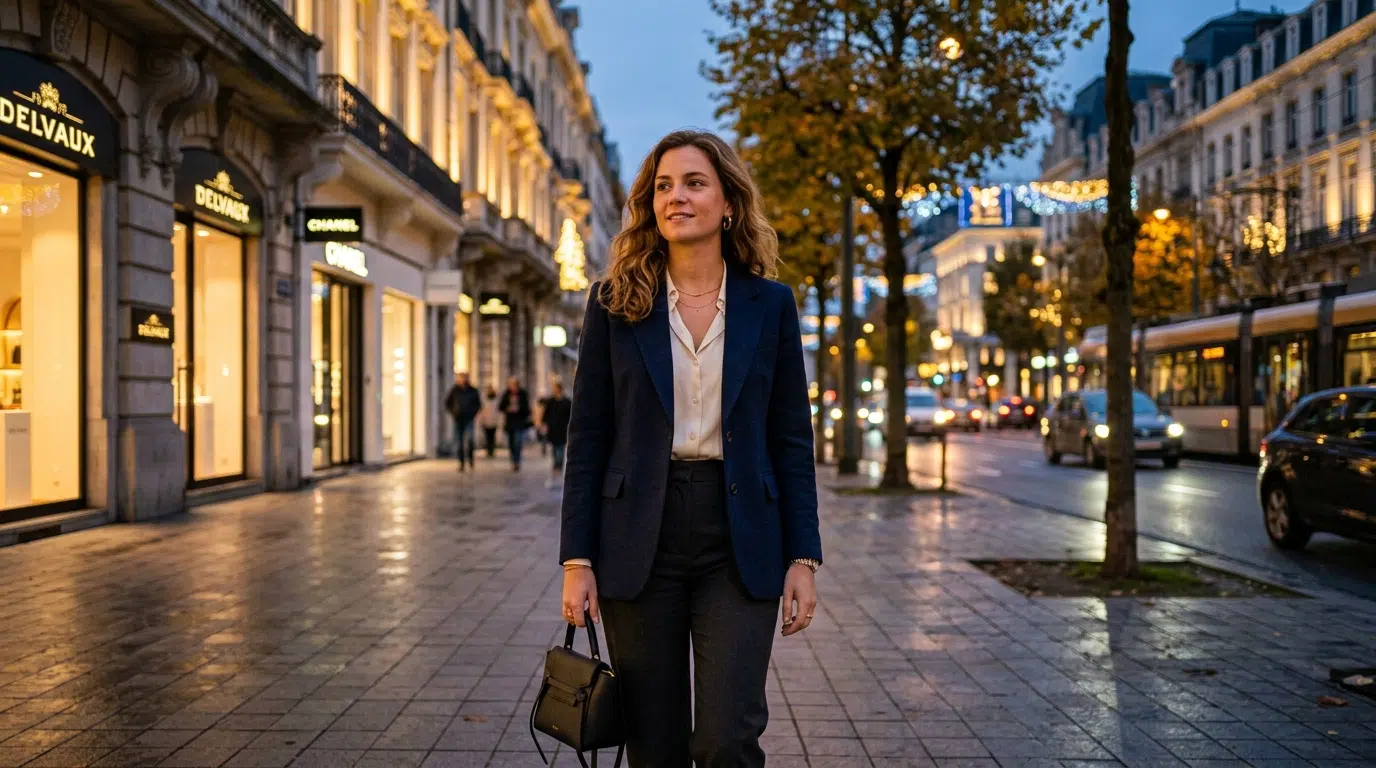
The elegant Sablon, with its antique dealers and chocolatiers, and the leafy avenues of Ixelles and Uccle are the natural habitat of the city’s quieter wealth; Avenue Louise brings the boutiques and grand hotels; Châtelain and Flagey the fashionable dinner scene; and the European quarter its after-work world of receptions and rooftop bars. First dates here tend towards an excellent restaurant or a gallery opening — Brussels rewards people who can hold a conversation about art, politics, travel and food in more than one language.
Flanders: where wealth is worn lightly and honesty comes first
The economic heart of Belgium — concentrated in Antwerp, Ghent, Leuven and Bruges — with a scene that is prosperous, plain-spoken and quietly stylish.
If Brussels is international, Flanders is entrepreneurial. This is the wealthiest part of Belgium, its prosperity flowing from the port of Antwerp — one of Europe’s largest — the diamond trade, fashion, logistics, biotech and a fast-growing tech sector around Ghent and Leuven. Yet the Flemish attitude to money is famously modest: success is something you have, not something you show. That translates into a scene where connections are direct and unpretentious — expectations stated plainly, appointments kept punctually, and quality preferred over spectacle. One lovely Flemish hallmark is the taste for understated luxury: a Michelin-starred table rather than a flashy club, a weekend in a design hotel in Knokke rather than a show of gifts.
Antwerp
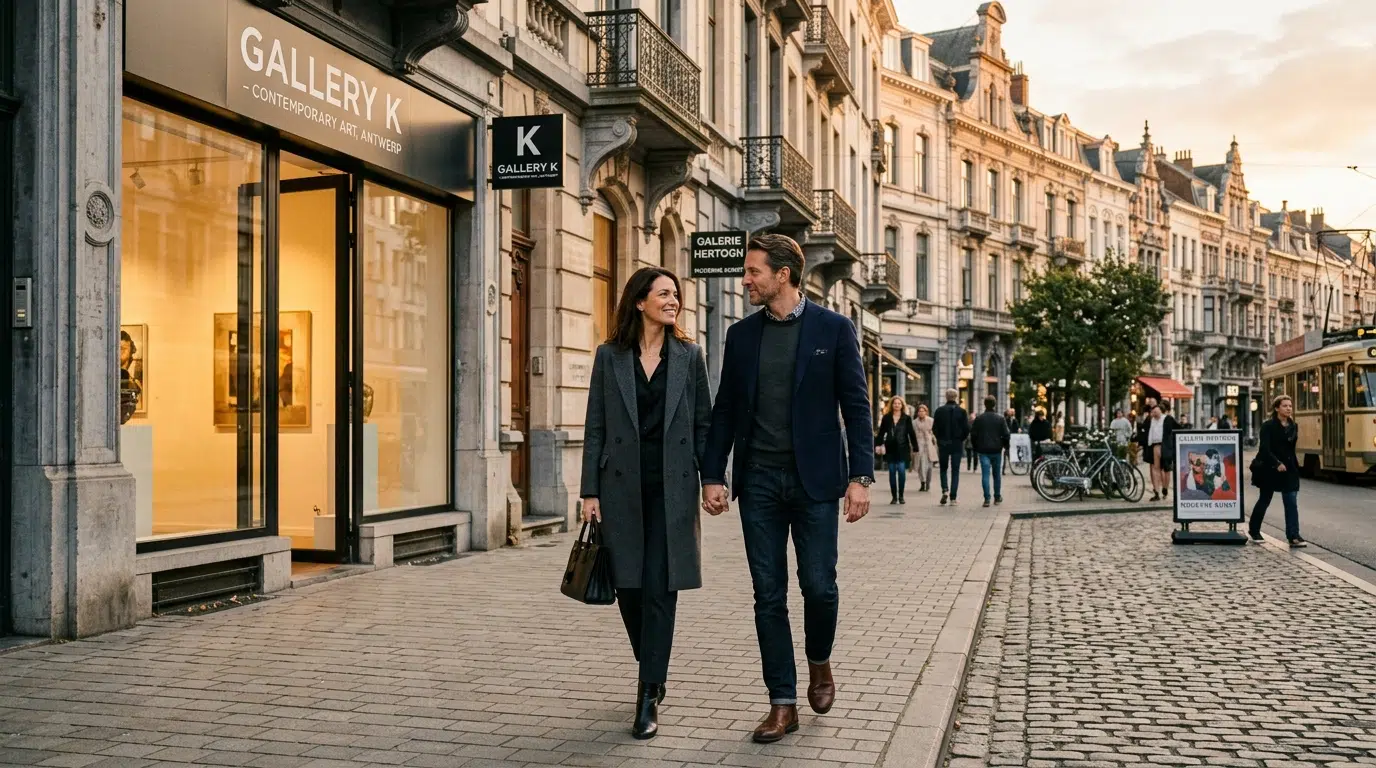
Belgium’s second city is its most glamorous. The diamond district and the port have created generations of quiet wealth, while the Antwerp Six put the city permanently on the global fashion map — so the scene here has a stylish, creative edge found nowhere else in the country. Generous partners tend to come from diamonds, shipping, fashion and enterprise; the younger partners are often students from the University of Antwerp or the Royal Academy, models and creatives with a sharp eye for design. Life gathers in the gallery-lined Zuid, the historic centre around the cathedral, the fashionable streets off the Meir, and the marina world of Het Eilandje — with discreet residential luxury out towards Brasschaat.
Ghent
Ghent pairs one of Europe’s most beautiful medieval centres with a young, progressive energy — a major university, a booming tech and biotech cluster, and a creative scene that keeps the city buzzing. The mood is relaxed and cultured: successful people who enjoy sophisticated experiences without needing to impress through excess, and students and young professionals who are independent, articulate and sociable. The Graslei and the historic heart bring the romance, the Zuid quarter the culture, and Sint-Martens-Latem — the leafy artists’ village just outside town — the discreet luxury.
Leuven & Bruges
Two smaller cities, two very different flavours. Leuven, home to KU Leuven — one of Europe’s oldest and most prestigious universities — and a thriving tech and pharma corridor, gives the scene a bright, ambitious, academic character. Bruges, polished and picture-perfect, is less a place people meet than a place they go: the weekend-away capital of Belgium, all canal-side hotels and quiet, world-class restaurants.
Wallonia: charm, conversation and the Ardennes
The most personal of the three regions, where French-speaking warmth and a love of the good life shape everything.
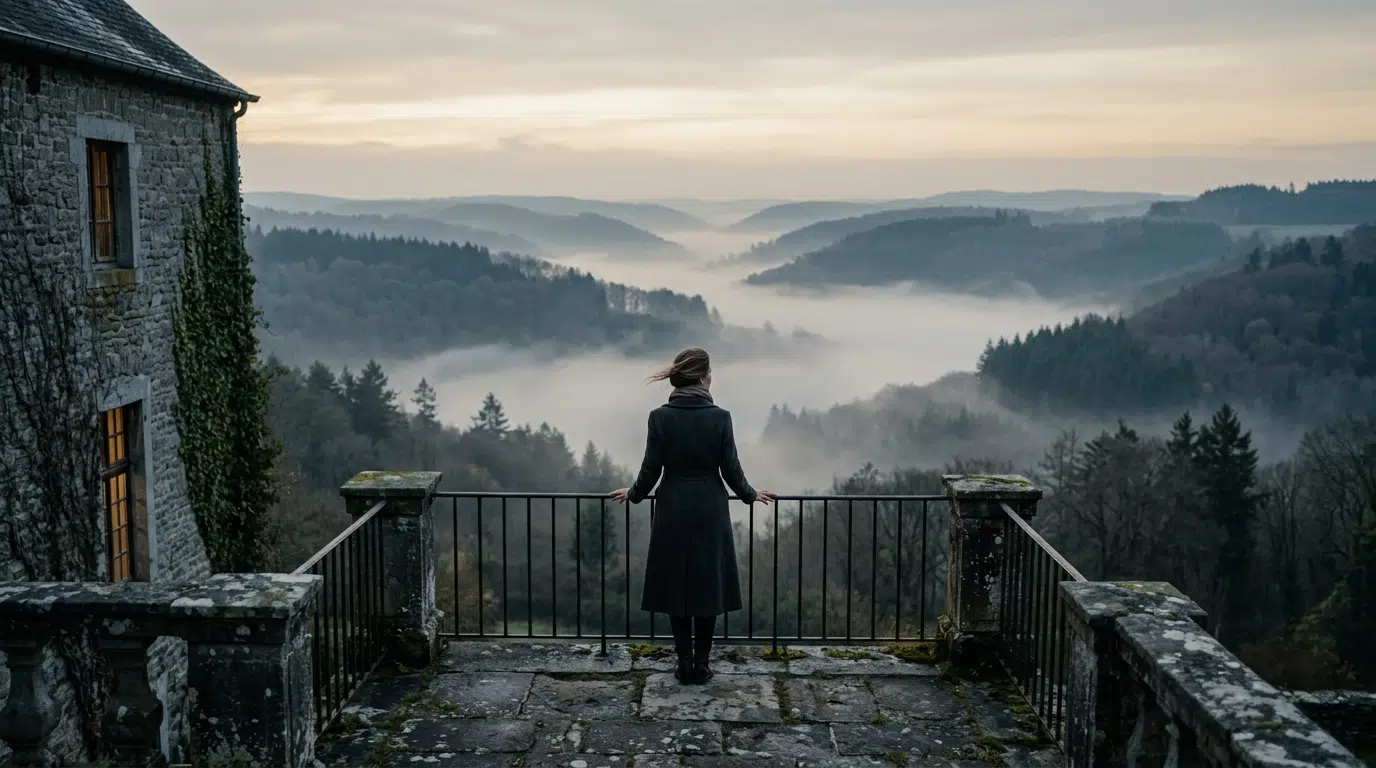
Sugar dating in Wallonia is defined by conviviality, charm and authenticity rather than any outward display of wealth — which makes it feel fundamentally different from the bigger, busier scenes of Brussels and Antwerp. It’s slower-paced, more romantic and refreshingly genuine, with the French-speaking love of a long lunch, a good bottle and a real conversation at its heart. With smaller cities and tighter social networks, reputation carries real weight, so connections stay private by instinct. The newer wave of affluent professionals here comes from logistics and aerospace around Liège, biotech and pharma around the Walloon Brabant corridor, and a growing services economy — many of them younger than the old stereotype suggests. And the defining feature is a love of experiences over things: a weekend in a manoir in the Ardennes, a spa escape to the town of Spa itself, a table at one of the region’s remarkable countryside restaurants.
Liège
Wallonia’s largest city is the clear hub — our figures suggest a smaller but genuine community of well over 8,000 across the region, much of it here. Liège is warm, unpretentious and famously sociable: the “Cité Ardente” lives up to its name, and the scene reflects it, with personality and chemistry counting for far more than formality. The city’s economic renewal — logistics around its cargo airport, engineering, and a lively university — has drawn a new generation of professionals, while the younger partners are often students from the University of Liège or creatives from the city’s music and arts worlds. The Carré and the riverside bring the buzz; the Boulevard d’Avroy and the hills of Cointe the quieter elegance.
Namur, Mons & Walloon Brabant
Beyond Liège, Namur — Wallonia’s graceful capital on the Meuse — offers a calmer, more refined scene, while Mons adds a cultural, university-town energy. Special mention goes to Walloon Brabant, just south of Brussels: the wealthiest province in Wallonia, where towns like Waterloo and Lasne are home to executives who work in the capital but live — and often date — in leafy privacy closer to home.
A quick note on the German-speaking east: Belgium’s small German-speaking Community around Eupen has a quieter, more low-key scene of its own, but the same Belgian principles of discretion and sincerity apply just as well.
Belgian cities compared
Every Belgian city has its own character. Here’s how the main ones stack up at a glance — the kind of people, the feel of the scene, and where life tends to happen.
| City | Region | Typical age (generous partner) | Where prosperity tends to come from | Character of the scene | Standout areas |
|---|---|---|---|---|---|
| Brussels | Brussels-Capital | Late 30s–50s | EU institutions, diplomacy, law, international business | Cosmopolitan, multilingual, highly discreet | Sablon, Avenue Louise, Ixelles, Uccle |
| Antwerp | Flanders | Late 30s–55 | Diamonds, port & shipping, fashion, enterprise | Stylish, creative, quietly wealthy | Zuid, historic centre, Het Eilandje |
| Ghent | Flanders | Mid 30s–50s | Tech, biotech, university, creative industries | Relaxed, cultured, young at heart | Graslei, historic heart, Sint-Martens-Latem |
| Leuven | Flanders | Mid 30s–50s | University, pharma, technology | Bright, academic, ambitious | Oude Markt, Grote Markt, city ring |
| Liège | Wallonia | 40s–50s | Logistics, engineering, services, university | Warm, sociable, unforced, romantic | Le Carré, riverside, Boulevard d’Avroy |
| Namur | Wallonia | 40s–50s | Public sector, services, regional business | Graceful, calm, personal, private | Old town, Meuse riverside, Citadelle slopes |
Discretion, the Belgian way
One thing the whole country takes seriously — and one place where the Belgian scene really has its own rules.
Discretion isn’t just a preference here; it’s woven into the culture. It matters in international Brussels, where diplomatic and professional reputations are at stake and half the city seems to know the other half, but it matters just as much in Flanders’ business circles and Wallonia’s close-knit towns, where word genuinely travels fast and protecting both people’s privacy is what sustains the trust the whole connection rests on. Keeping things low-profile is simply how it’s done across Belgium — by choice, on both sides. Our guide on how to be discreet in sugar dating covers the practical side without making life complicated.
The usual sensible safety habits apply just as they would anywhere online — we keep the full checklist, from verifying profiles to spotting the warning signs, in our safe dating guide, so give that a read before any first meeting.
Where to go next
Start here
What is sugar dating?
The complete guide to how it all works, from first message to lasting connection.
For him
What is a sugar daddy?
Who they really are, what they value, and why the stereotype gets it wrong.
For her
What is a sugar baby?
How it combines independence with connection — and who it’s really for.
Sugar dating in Belgium: FAQ
Which are the best cities for sugar dating in Belgium?
Brussels is the largest and most international scene by far, followed by Antwerp and Ghent in Flanders. Leuven adds a bright university-town energy, while in Wallonia Liège is the clear hub, with Namur offering something calmer and more refined. Each has its own character — Brussels for global, multilingual connections; Antwerp for style; the Walloon cities for a warmer, more romantic feel.
Is sugar dating legal in Belgium?
Yes. Sugar dating between consenting adults is a legitimate form of relationship, and what matters most is that everyone involved is 18 or over, fully consenting, and honest with one another. It isn’t an exchange of money for intimacy — it’s a relationship built on companionship, support and genuine connection. As with any relationship, the law expects all parties to act with mutual consent and within the rules. This page is general guidance, not legal advice.
Do I need to speak Dutch or French to sugar date in Belgium?
Not necessarily — and this is one of Belgium’s quiet advantages. In Brussels, English is the everyday working language of a huge international community, so English-only profiles do perfectly well there. In Flanders most people speak excellent English alongside Dutch, and in Wallonia French dominates but English is common in professional circles. A few words in the local language are always appreciated, but they’re rarely a barrier.
How old are sugar daddies in Belgium, typically?
Most fall somewhere between their late thirties and their fifties. Brussels skews a little younger and more international than most capitals — the EU and corporate world brings plenty of successful professionals in their late thirties and forties, often on postings of a few years — while Flanders’ entrepreneurs span a wide range and Wallonia’s scene tends to run slightly older. Age varies by city more than people expect.
How does the Flemish and Walloon scene differ from Brussels’?
Brussels tends to be larger, faster and far more international, with a strong emphasis on discretion and a crowd that comes and goes with diplomatic and corporate postings. Flanders is prosperous and pragmatic, with understated wealth, plain-spoken honesty and a taste for quiet quality over show. Wallonia is the warmest and most personal of the three, centred on Liège, prizing charm, conversation and shared experiences — especially in the Ardennes. All three share the same Belgian instinct for modesty and privacy.
What about Luxembourg — is it part of the Belgian scene?
Luxembourg is a separate country, so strictly speaking it isn’t part of Belgium’s scene. That said, it sits right on the border, and its remarkable concentration of banking, funds and finance professionals makes it a popular and closely connected scene of its own — many people in southern Belgium and Luxembourg City move naturally between the two, and the same principles of discretion and genuine connection apply there too.
Ready to find your connection?
Join a discreet, active community of genuine people across Belgium and beyond — wherever you are, from Brussels to Antwerp to Liège, your match could be closer than you think.